








SARS-CoV-2 (COVID-19) RBD Recombinant Protein Liquid
1271.5 EUR
In Stock
quantity
Produktdetaljer
Katalognummer: 109 - ICOV2RBDR100UG
Produktkategori: Företag och industri > Vetenskap och laboratorium
Gentaur
Storlek: each
Parameters
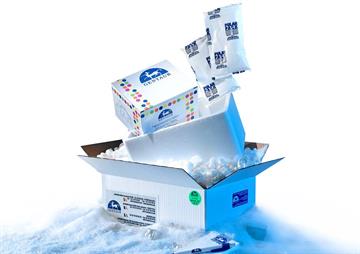
| Additional information | Wet Ice |
|---|---|
| Storage and shipping | Storage temperature: 2°C to 8°C |
ICOV2RBDR100UG
SARS-CoV-2 (COVID-19) RBD Recombinant Protein Liquid
SARS-CoV-2 (COVID-19) RBD Recombinant Protein Liquid
1271.5 €
10-078
SARS-CoV-2 (COVID-19) RBD Recombinant Protein
Severe acute respiratory syndrome coronavirus 2 (SARS-CoV-2), the causative agent of coronavirus disease 2019 (COVID-19), is an enveloped, single-stranded, positive-sense RNA virus that belongs to the Coronaviridae family 1. The SARS-CoV-2 genome, which shares 79.6% identity with SARS-CoV, encodes four essential structural proteins: the spike (S), envelope (E), membrane (M), and nucleocapsid protein (N) 2. The S protein is a transmembrane, homotrimeric, class I fusion glycoprotein that mediates viral attachment, fusion, and entry into host cells 3. Each ~180 kDa monomer contains two functional subunits, S1 (~700 a.a) and S2 (~600 a.a), that mediate viral attachment and membrane fusion, respectively. S1 contains two major domains, the N-terminal (NTD) and C-terminal domains (CTD). The CTD contains the receptor-binding domain (RBD), which binds to the angiotensin-converting enzyme 2 (ACE2) receptor on host cells 3-5. Although both SARS-CoV and SARS-CoV-2 bind the ACE2 receptor, the RBDs only share ~73% amino acid identity, and the SARS-CoV-2 RBD binds with a higher affinity compared to SARS-CoV 3, 6. The RBD is dynamic and undergoes hinge-like conformational changes, referred to as the “down” or “up” conformations, which hide or expose the receptor-binding motifs, respectively 7. Following receptor binding, S1 destabilizes, and TMPRSS2 cleaves S2, which undergoes a pre- to post-fusion conformation transition, allowing for membrane fusion 8, 9. _x000D__x000D__x000D_Polyclonal RBD-specific antibodies can block ACE2 binding 10, 11, and anti-RBD neutralizing antibodies are present in the sera of convalescent COVID19 patients 12, identifying the RBD as an attractive candidate for vaccines and therapeutics. In addition, the RBD is poorly conserved, making it a promising antigen for diagnostic tests 13 14. Serologic tests for the RBD are highly sensitive and specific for detecting SARS-CoV-2 antibodies in COVID19 patients 13 15. Furthermore, the levels of anti-RBD antibodies correlated with SARS-CoV-2 neutralizing antibodies, suggesting the RBD could be used to predict an individual's risk of disease 13._x000D_
1059.7 €
92-762
SARS-CoV-2 (COVID-19) S Protein RBD (N501Y) Recombinant Protein
The spike (S) glycoprotein of coronaviruses is known to be essential in the binding of the virus to the host cell at the advent of the infection process. Most notable is severe acute respiratory syndrome (SARS). The severe acute respiratory syndrome-coronavirus (SARS-CoV) spike (S) glycoprotein alone can mediate the membrane fusion required for virus entry and cell fusion. It is also a major immunogen and a target for entry inhibitors. It's been reported that 2019-nCoV can infect the human respiratory epithelial cells through interaction with the human ACE2 receptor. The spike protein is a large type I transmembrane protein containing two subunits, S1 and S2. S1 mainly contains a receptor binding domain (RBD), which is responsible for recognizing the cell surface receptor. S2 contains basic elements needed for the membrane fusion.The S protein plays key parts in the induction of neutralizing-antibody and T-cell responses, as well as protective immunity.
984.1 €
92-763
SARS-CoV-2 (COVID-19) S Protein RBD (N501Y) Recombinant Protein
The spike (S) glycoprotein of coronaviruses is known to be essential in the binding of the virus to the host cell at the advent of the infection process. Most notable is severe acute respiratory syndrome (SARS). The severe acute respiratory syndrome-coronavirus (SARS-CoV) spike (S) glycoprotein alone can mediate the membrane fusion required for virus entry and cell fusion. It is also a major immunogen and a target for entry inhibitors. It's been reported that 2019-nCoV can infect the human respiratory epithelial cells through interaction with the human ACE2 receptor. The spike protein is a large type I transmembrane protein containing two subunits, S1 and S2. S1 mainly contains a receptor binding domain (RBD), which is responsible for recognizing the cell surface receptor. S2 contains basic elements needed for the membrane fusion.The S protein plays key parts in the induction of neutralizing-antibody and T-cell responses, as well as protective immunity.
984.1 €
10-305
SARS-CoV-2 (COVID-19) Spike RBD + SD1 +SD2 Recombinant Protein
SARS-CoV-2 (COVID-19) Spike RBD + SD1 +SD2 Recombinant Protein
1078.6 €
Håll dig uppdaterad! Visa tidigare publikationer

By: Author , 2 Comment
Anaplasmos hos hundar och katter – allt du behöver veta
23 August 2025

By: Author , 2 Comment
Solbränna – hur leker man säkert i solen?
16 August 2025

By: Author , 2 Comment
Biologiska läkemedel – Modernitet inom farmaci
1 August 2025

By: Author , 2 Comment
Icke-steroida antiinflammatoriska läkemedel – viktig information om populära läkemedel
22 July 2025