








Rat Bladder Epithelial Cells
0.01 EURAsk for quotation
On request
quantity
Produktdetaljer
Katalognummer: 870 - ABC-TC5507
Produktkategori: Företag och industri > Vetenskap och laboratorium
Gentaur
Storlek: 1 vial
Parameters
| Additional information | For research use only |
|---|---|
| Storage and shipping | Liquid Nitrogen |
ABC-TC5507
Rat Bladder Epithelial Cells
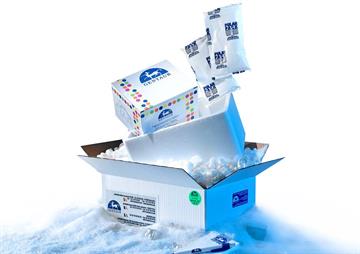
Rat Primary Bladder Epithelial Cells from Gentaur are isolated from bladder tissue of 6-8 week old laboratory Sprague–Dawley rat. Rat Primary Bladder Epithelial Cells are grown in T25 tissue culture flask pre-coated with gelatin-based coating solution for 2 min and incubated in Gentaur's Cell Culture Medium for 3-5 days. Cells are detached from flasks and immediately cryo-preserved in vials. Each vial contains 0.5x10⁶ cells and is delivered frozen. The method we use to isolate primary epithelial cells was developed based on a combination of established and our proprietary methods. These cells are pre-coated with EpCAM (CD326) antibody, following the application of magnetic beads pre-coated with secondary antibody.
Ask for quotation
ABC-TC4228
Rat Stomach Epithelial Cells
Rat Stomach Epithelial Cells from Gentaur are isolated from tissue of 1-day-old neonatal laboratory Sprague–Dawley Rats. Rat Stomach Epithelial Cells are grown in T25 tissue culture flask pre-coated with gelatin-based coating solution for 0.5 hour and incubated in Gentaur's Cell Culture Medium for 3-5 days. Cells are detached from flasks and immediately cryo-preserved in vials. Each vial contains 1x10^6 cells and is delivered frozen.Rat Stomach Epithelial Cells are characterized by immunofluorescent staining with antibodies of E-cadherin or ZO-1. Rat Stomach Epithelial Cells are negative for bacteria, yeast, fungi, and mycoplasma. Cells can be expanded for 3-7 passages at a split ratio of 1:2 or 1:3 under the cell culture conditions specified by Gentaur. Repeated freezing and thawing of cells is not recommended.Standard biochemical procedures performed with epithelial cell cultures include the assays of cell to cell adhesion and migration, RT-PCR, Western blotting, immunoprecipitation, immunofluorescent staining or immunofluorescent flow cytometry or generating cell derivatives for desired research applications.
Ask for quotation
ABC-TC4231
Rat Thyroid Epithelial Cells
Rat Thyroid Epithelial Cells from Gentaur are isolated from tissue of 1-day-old neonatal laboratory Sprague–Dawley Rats. Rat Thyroid Epithelial Cells are grown in T25 tissue culture flask pre-coated with gelatin-based coating solution for 0.5 hour and incubated in Gentaur's Cell Culture Medium for 3-5 days. Cells are detached from flasks and immediately cryo-preserved in vials. Each vial contains 1x10^6 cells and is delivered frozen.Rat Thyroid Epithelial Cells are characterized by immunofluorescent staining with antibodies of E-cadherin and ZO-1. Rat Thyroid Epithelial Cells are negative for bacteria, yeast, fungi, and mycoplasma. Cells can be expanded for 3-7 passages at a split ratio of 1:2 or 1:3 under the cell culture conditions specified by Gentaur. Repeated freezing and thawing of cells is not recommended.Standard biochemical procedures performed with epithelial cell cultures include the assays of cell to cell adhesion and migration, RT-PCR, Western blotting, immunoprecipitation, immunofluorescent staining or immunofluorescent flow cytometry or generating cell derivatives for desired research applications.
Ask for quotation
ABC-TC4197
Rat Prostate Epithelial Cells
Rat Prostate Epithelial Cells from Gentaur are isolated from tissue of adult laboratory Sprague–Dawley Rats. Rat Prostate Epithelial Cells are grown in T25 tissue culture flask pre-coated with gelatin-based coating solution for 0.5 hour and incubated in Gentaur's Cell Culture Medium for 3-5 days. Cells are detached from flasks and immediately cryo-preserved in vials. Each vial contains 1x10^6 cells and is delivered frozen.Rat Prostate Epithelial Cells are characterized by immunofluorescent staining with antibodies of E-cadherin or ZO-1. Rat Prostate Epithelial Cells are negative for bacteria, yeast, fungi, and mycoplasma. Cells can be expanded for 3-7 passages at a split ratio of 1:2 or 1:3 under the cell culture conditions specified by Gentaur. Repeated freezing and thawing of cells is not recommended.Standard biochemical procedures performed with epithelial cell cultures include the assays of cell to cell adhesion and migration, RT-PCR, Western blotting, immunoprecipitation, immunofluorescent staining or immunofluorescent flow cytometry or generating cell derivatives for desired research applications.
Ask for quotation
Håll dig uppdaterad! Visa tidigare publikationer

By: Author , 2 Comment
Katalas – ett extraordinärt enzym
30 January 2026

By: Author , 2 Comment
Anaplasmos hos hundar och katter – allt du behöver veta
23 August 2025

By: Author , 2 Comment
Solbränna – hur leker man säkert i solen?
16 August 2025

By: Author , 2 Comment
Biologiska läkemedel – Modernitet inom farmaci
1 August 2025