








Spike (SARS-CoV-1) Pseudotyped Lentivirus (Luc Reporter)
1540 EUR
In Stock
quantity
Produktdetaljer
Katalognummer: 421 - 78614-1
Produktkategori: Företag och industri > Vetenskap och laboratorium
Gentaur
Storlek: 100 µl
Parameters
| Additional information | Applications: Screen for or titrate neutralizing antibodies against SARS-CoV-1 Spike protein; |
|---|---|
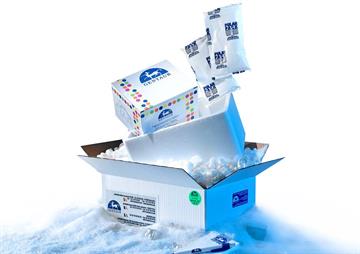
| Storage and shipping | Shipping conditions: -80°C; Storage conditions: Lentiviruses are shipped with dry ice. For long-term storage, it is recommended to store the lentiviruses at -80°C for up to 12 months from date of receipt. Avoid repeated freeze/thaw cycles. Titers can drop significantly with each freeze/thaw cycle.; |
| Storage and shipping | With |
78614-2
Spike (SARS-CoV-1) Pseudotyped Lentivirus (Luc Reporter)
Severe acute respiratory syndrome (SARS) was the first new infectious disease identified in the twenty-first century. It is a viral respiratory disease caused by severe acute respiratory syndrome coronavirus (SARS-CoV-1). The first known cases occurred in November 2002, and the syndrome caused the 2002-2004 SARS outbreak. Since 2004, no cases of SARS-CoV-1 have been reported worldwide. A virus very similar to SARS-CoV-1 was discovered in late 2019. This virus, named severe acute respiratory syndrome coronavirus 2 (SARS-CoV-2), is the causative pathogen of COVID-19, the spread of which started the COVID-19 pandemic.SARS-CoV-1 attaches to the host cell surface before entering the cell. The Spike protein on the virus recognizes and binds to the Angiotensin-Converting Enzyme 2 (ACE2) receptor found on the surface of human airway epithelia as well as lung parenchyma. Drugs targeting the interaction between the Spike protein of SARS-CoV-1 and ACE2 may offer protection against the viral infection.The Spike (SARS-CoV-1) Pseudotyped Lentiviruses were produced with SARS-CoV-1 Spike (Genbank Accession #YP_009825051.1) as the envelope glycoprotein instead of the commonly used VSV-G. These pseudovirions contain the firefly luciferase gene driven by a CMV promoter, therefore, the spike-mediated cell entry can be measured via luciferase activity. The Spike (SARS-CoV-1) pseudovirus can be used to measure the activity of a neutralizing antibody against SARS-CoV-1 in a cellular context, using a Biosafety Level 2 facility.The Spike (SARS-CoV-1) Pseudotyped Lentiviruses has been validated for use with target cells ACE2-HEK293 (which overexpress ACE2; BPS Bioscience #79951).
6630 €
78028-1
Spike (SARS-CoV-2, D614G) Pseudotyped Lentivirus (Luc Reporter)
The pandemic coronavirus disease 2019 (COVID-19) is caused by Severe Acute Respiratory Syndrome Coronavirus 2 (SARS-CoV-2). As the first step of the viral replication, the virus attaches to the host cell surface before entering the cell. The viral Spike protein recognizes and attaches to the Angiotensin-Converting Enzyme 2 (ACE2) receptor found on the surface of type I and II pneumocytes, endothelial cells, and ciliated bronchial epithelial cells. Drugs targeting the interaction between the Spike protein and ACE2 may offer protection against the viral infection. A SARS-CoV-2 variant carrying the spike protein amino acid change D614G has become the most prevalent form in the global pandemic.<br />The SARS-CoV-2 Spike D614G Pseudotyped Lentivirus were produced with SARS-CoV-2 Spike (Genbank Accession #QHD43416.1; with D614G mutation) as the envelope glycoproteins instead of the commonly used VSV-G. These pseudovirions contain the firefly luciferase gene driven by a CMV promoter, therefore, the spike-mediated cell entry can be measured via luciferase activity. The SARS-CoV-2 Spike D614G pseudotyped lentivirus can be used to measure the activity of neutralizing antibody against SARS-CoV-2 in a Biosafety Level 2 facility._x000D_
1500 €
78028-2
Spike (SARS-CoV-2, D614G) Pseudotyped Lentivirus (Luc Reporter)
The pandemic coronavirus disease 2019 (COVID-19) is caused by Severe Acute Respiratory Syndrome Coronavirus 2 (SARS-CoV-2). As the first step of the viral replication, the virus attaches to the host cell surface before entering the cell. The viral Spike protein recognizes and attaches to the Angiotensin-Converting Enzyme 2 (ACE2) receptor found on the surface of type I and II pneumocytes, endothelial cells, and ciliated bronchial epithelial cells. Drugs targeting the interaction between the Spike protein and ACE2 may offer protection against the viral infection. A SARS-CoV-2 variant carrying the spike protein amino acid change D614G has become the most prevalent form in the global pandemic.<br />The SARS-CoV-2 Spike D614G Pseudotyped Lentivirus were produced with SARS-CoV-2 Spike (Genbank Accession #QHD43416.1; with D614G mutation) as the envelope glycoproteins instead of the commonly used VSV-G. These pseudovirions contain the firefly luciferase gene driven by a CMV promoter, therefore, the spike-mediated cell entry can be measured via luciferase activity. The SARS-CoV-2 Spike D614G pseudotyped lentivirus can be used to measure the activity of neutralizing antibody against SARS-CoV-2 in a Biosafety Level 2 facility._x000D_
6915 €
78218-1
Spike (B.1.617.2.1; Delta Plus Variant) Pseudotyped Lentivirus (Luc Reporter)
The pandemic coronavirus disease 2019 (COVID-19) is caused by Severe Acute Respiratory Syndrome Coronavirus 2 (SARS-CoV-2). As the first step of the viral replication, the virus attaches to the host cell surface before entering the cell. The viral Spike protein recognizes and attaches to the Angiotensin-Converting Enzyme 2 (ACE2) receptor found on the surface of type I and II pneumocytes, endothelial cells, and ciliated bronchial epithelial cells. Drugs targeting the interaction between the Spike protein of SARS-CoV-2 and ACE2 may offer protection against the viral infection. A variant called B.1.617.2.1 (also known as the Delta Plus Variant) was identified in India in the spring of 2021. This variant has a number of mutations that increase morbidity and mortality and allow the virus to spread more easily and quickly than other variants.The Spike (B.1.617.2.1 Variant) (SARS-CoV-2) Pseudotyped Lentiviruses were produced with SARS-CoV-2 B.1.617.2.1 Variant Spike (Genbank Accession #QHD43416.1 with B.1.617.2.1 mutations; see below for details) as the envelope glycoproteins instead of the commonly used VSV-G. Compared to the Delta variant (B.1.617.2), variant Delta Plus has an additional mutation, K417N. These pseudovirions contain the firefly luciferase gene driven by a CMV promoter, therefore, the spike-mediated cell entry can be measured via luciferase activity. The Spike (B.1.617.2.1 Variant) (SARS-CoV-2) pseudotyped lentivirus can be used to measure the activity of neutralizing antibody against SARS-CoV-2 B.1.617.2.1 variant in a Biosafety Level 2 facility.
1402.5 €
78218-2
Spike (B.1.617.2.1; Delta Plus Variant) Pseudotyped Lentivirus (Luc Reporter)
The pandemic coronavirus disease 2019 (COVID-19) is caused by Severe Acute Respiratory Syndrome Coronavirus 2 (SARS-CoV-2). As the first step of the viral replication, the virus attaches to the host cell surface before entering the cell. The viral Spike protein recognizes and attaches to the Angiotensin-Converting Enzyme 2 (ACE2) receptor found on the surface of type I and II pneumocytes, endothelial cells, and ciliated bronchial epithelial cells. Drugs targeting the interaction between the Spike protein of SARS-CoV-2 and ACE2 may offer protection against the viral infection. A variant called B.1.617.2.1 (also known as the Delta Plus Variant) was identified in India in the spring of 2021. This variant has a number of mutations that increase morbidity and mortality and allow the virus to spread more easily and quickly than other variants.The Spike (B.1.617.2.1 Variant) (SARS-CoV-2) Pseudotyped Lentiviruses were produced with SARS-CoV-2 B.1.617.2.1 Variant Spike (Genbank Accession #QHD43416.1 with B.1.617.2.1 mutations; see below for details) as the envelope glycoproteins instead of the commonly used VSV-G. Compared to the Delta variant (B.1.617.2), variant Delta Plus has an additional mutation, K417N. These pseudovirions contain the firefly luciferase gene driven by a CMV promoter, therefore, the spike-mediated cell entry can be measured via luciferase activity. The Spike (B.1.617.2.1 Variant) (SARS-CoV-2) pseudotyped lentivirus can be used to measure the activity of neutralizing antibody against SARS-CoV-2 B.1.617.2.1 variant in a Biosafety Level 2 facility.
6442.5 €
78010-1
Spike (SARS-CoV-2) Lentivirus
Cell entry of SARS-CoV-2 depends on the binding of viral spike protein to cellular receptor ACE2. The SARS-CoV-2 Spike Lentivirus are replication incompetent, HIV-based, VSV-G pseudotyped lentiviral particles that are ready to be transduced into almost all types mammalian cells, including primary and non-dividing cells. The particles contain the full length SARS-CoV-2 spike gene (QHD43416.1) driven by an EF1a promoter._x000D_
1402.5 €
Håll dig uppdaterad! Visa tidigare publikationer

By: Author , 2 Comment
Katalas – ett extraordinärt enzym
30 January 2026

By: Author , 2 Comment
Anaplasmos hos hundar och katter – allt du behöver veta
23 August 2025

By: Author , 2 Comment
Solbränna – hur leker man säkert i solen?
16 August 2025

By: Author , 2 Comment
Biologiska läkemedel – Modernitet inom farmaci
1 August 2025